

Ben gidiyorum savaş atım
bu meydanda çocuklar oynamalıydı
oysa cesetler çürümeye bırakılmış
arsız akbabaları görmekten yoruldu gözlerim
*
ben gidiyorum… sen de gel benimle savaş atım
bak benim dilimde konuşuyorum seninle
bilmiyorum nerede hangi şarkıyı söyler sevgilim
bu dağın ötesi yeşil bir vadi
emin değilim sonrasından
*
Gözlerin de güzeldir savaş atım
bakışlarındaki hüzün afyonlu
sözlerin akar bana o camdan
yağmur dinmiyor bir türlü
*
Aynayı yandan tutuyorum yüzüne
rüzgar yelende kararsız
başımı boynuna yaslıyorum
senin dilinle konuşuyorum suskun
birisi buna aptalca diyor hayvanca!
ah benim dilsiz “le cheval de guerre[1]”
silahsızdım oysa sürüklendiğim bu savaş meydanında
(Haşim Hüsrevşahi)
[1] Claire Parnet’in Gilles Deleuze ile yaptığı söyleşiye (1996) gönderi. Fransızca “savaş atı” demek.
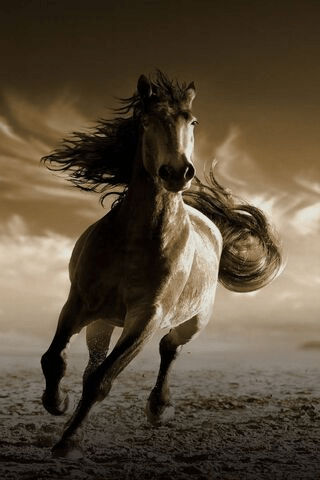
I’m leaving, my war horse
children should be playing in this field
instead, corpses are left to rot
my eyes are tired of seeing vultures
*
I’m leaving… come with me, my war horse
look, I’m speaking to you in my language
I don’t know where or which song my sweetheart sings
beyond this mountain lies a green valley
I’m not sure what comes after
*
Your eyes are so beautiful my war horse
the sorrow in your gaze opium-full
your words flow to me through that glass
the rain just won’t stop
*
I hold the mirror to your face from the side
the wind on your mane blows uncertainly
I rest my head on your neck
I speak in your language silent
someone calls this foolish, animalistic!
o, my de-tongued “le cheval de guerre[1]”
I was unarmed, yet I was dragged into this battlefield.
[1] Addressed to the Claire Parnet’s interview with Gilles Deleuze (1996)
(Hashem Khosroshahi)

 sardunyalar.com